
Orinda moves to approve multifamily housing on Altarinda Road
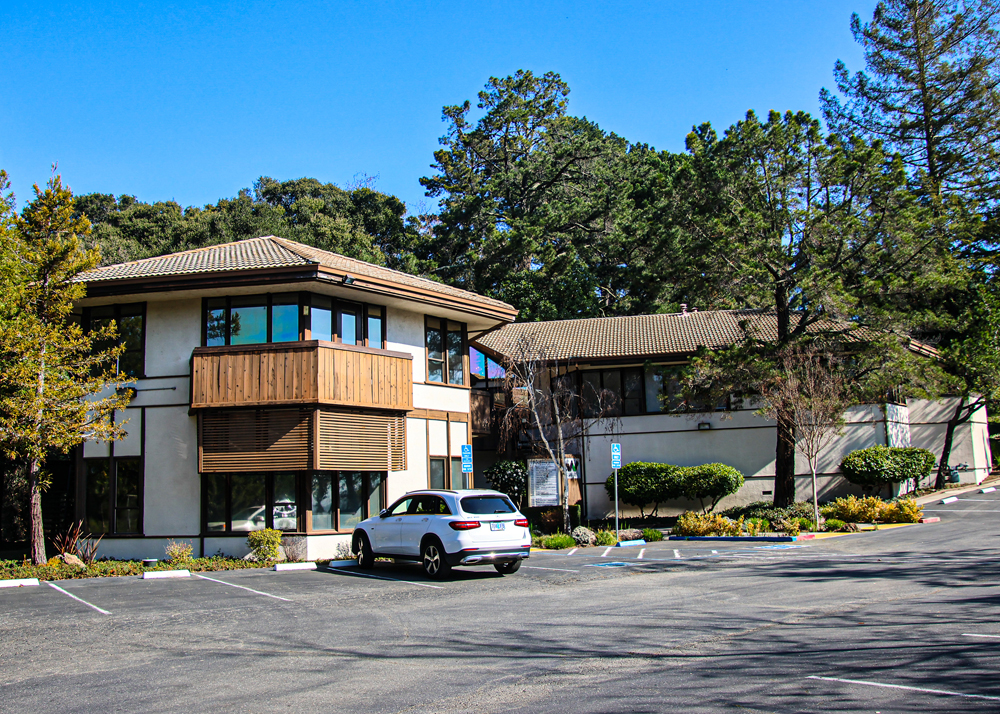
Despite objections, the Orinda City Council on Feb. 3 voted unanimously to move forward with approval of a project that could eventually lead to the existing medical office building located at 23 Altarinda Road being replaced with a multifamily housing development. Objections to the plan were voiced by Michele Jacobson on behalf of Orindans for Safe Emergency Evacuation (OSEE) and retired attorney Nick Waranoff.
The council received a presentation by Orinda Principal Planner Christine Thompson. The applicant, Brian Griggs, asked the council to take two actions: 1) to amend Orinda’s General Plan land use designation from “Business and Professional Offices” to “Downtown – General” and 2) a zoning map amendment to change the zoning district from “DO (Downtown Office)” to “DG (Downtown General)”.
If adopted, the new general plan land use designation and new zoning designation would continue to allow office uses but would expand the allowed land uses of 23 Altarinda Road to include multifamily residential uses at a minimum density of 20 units per acre and a maximum density of 25 units per acre. No project is proposed at the current time.
The 0.6-acre parcel is located on the north side of Altarinda Road, beside the campus of the Orinda Academy and close to the housing developments Orindawoods and Orinda Grove. It is currently occupied by an underutilized two-story medical office building.
OSEE had previously sued the city, maintaining that the addition of housing in downtown Orinda under the city’s Plan Orinda would hamper emergency evacuation and endanger Orinda residents in the event of a wildfire. They succeeded partially, with the court issuing a writ requiring the city to rescind its certification of the original Plan Orinda final environmental impact report, revise the EIR in part, certify the revised EIR, and adopt revised Findings and Statement of Overriding Considerations under the California Environmental Quality Act (CEQA) in support of its 2023 approval of the Housing Element and Safety Element update components of Plan Orinda. All of these actions have been taken by the city.
In written comments, Jacobson opined that the proposed rezoning of 23 Altarinda Road would increase the allowed density of downtown beyond what is already allowed by the final Housing Element, which she claimed would directly contradict the court’s orders. “To avoid defying the court, the council could balance the rezoning of Altarinda Road with a simultaneous and equivalent reduction of density on another parcel(s) in the existing Plan Orinda Housing Element. Otherwise, the city would be exposing itself to the exact same legal challenge that they have already lost,” she concluded.
In defense of his application, Griggs said that he respected the opinions of Waranoff and Jacobson and takes wildfire safety very seriously. However, he said, “wildfire concerns should not create a moratorium on sites which are appropriate for redevelopment into housing.” Griggs, a longtime Lafayette resident, added that he and his partners have “balanced the need for housing with respect for the communities we live in.” Griggs also said that there is no guarantee that they will be applying for a new project on the site.
In his public comments, Waranoff noted that, since the fire in Pacific Palisades a little over a year ago, Orinda is now the community in California most at risk of wildfire. He suggested that the city should not approve development at the risk of a loss of life, and suggested that the staff report confirmed that if a housing project were built at Altarinda Road it would add as much as 24 to 33 minutes to evacuation time.
Staff relied on data from the Ladris application, which the city was required to subscribe to as part of the decision in the OSEE case. Based on that data, it was the opinion of staff that evacuation times would not be substantially increased by the presence of a multi-family housing unit at 23 Altarinda Road, if one were ever built. In fact, it was suggested by a council member that the amount of traffic and cars could even be less than at a medical office building.
In the staff report, it was explained that “the city is committed to added evacuation measures to improve safety despite the unavoidable impacts which are deemed acceptable under CEQA guidelines. The city is using evacuation modeling software from Ladris AI and has made a public portal available for use by the public. The evacuation modeling tool is housed on the city’s new OrindaReady.com website and is pre-populated with more than 100 evacuation scenarios, including large scale evacuation efforts for North and South Orinda with new housing development for housing element sites and current baseline amounts.”
After public comments, the applicant spoke in rebuttal. He reiterated that Mr. Waranoff's concerns are valid, but added, “I don't think at the end of the day the project we're proposing at 23 Altarinda Road is going to break the bank either way.” He further suggested that many of the sites already adopted in the housing element will not be developed. “I think 23 Altarinda Road is a perfect site for housing in the city. I think it’ll give us momentum,” he concluded, noting that he believes that any impact from the development would be minimal.
Council Member Latika Malkani said this project sounds like it will be in a location where there are other homes, so it won’t change the look and feel of Orinda in a material way. Council member Janet Riley agreed, saying. “I think this is a good opportunity to rezone this one property,” citing its small size and locations near other residential developments.
Mayor Bandon Iverson brought the discussion to a close, telling the council, “I think you all articulated a really good rationale. I would just remind ourselves and the public that this is everything that the state laws have been aiming at. It’s within a half mile of BART. One of the comments in the initial review was that this site should have been zoned to 75 units an acre. and they were disappointed that it wasn't more dense. It's walkable. It's an infill project. We should do this. And so, I really agree with what sounds like a consensus.”
There will be training sessions for the public on the use of Ladris. Training webinars will take place on Feb. 18, at 2 p.m. and on Feb. 24, at 6 p.m. via Zoom. For more information, go to the Orinda Ready website, www.orindaready.com
Copyright 2026, Lamorinda Weekly