
The quiet wealth of relationships as we age
As a Certified Professional Organizer, one of my jobs is to help people sort through homes, offices, paperwork, design spaces, create systems for efficiency, and create floorplans. On the surface, the work can be about logistics – what to keep, what you use, what to let go of, and how to prepare for what’s next. Along the way, I have learned many life lessons from my clients, but the most valuable lessons have been from my older clients. The most valuable things I encounter aren't always found in a file box or a photo album. They’re found in relationships.
I have seen how aging has a way of narrowing the physical world while expanding the emotional one. The body slows, routines change, homes grow quieter – but the need for connection never diminishes. In fact, it becomes more essential. One of the greatest predictors of dignity, comfort, and resilience in later life isn’t just financial planning or health care access. It’s community and relationships.
Recently, I was reminded of this truth in a simple yet powerful story of my client.
My job with this particular client was to help liquidate his estate as he had to move to a retirement community due to a fall. The scope of the job was to go through his home to pull out personal papers, important documents, photos and memorabilia to get ready for an estate sale. Pretty straightforward and I’ve done it for 11 years.
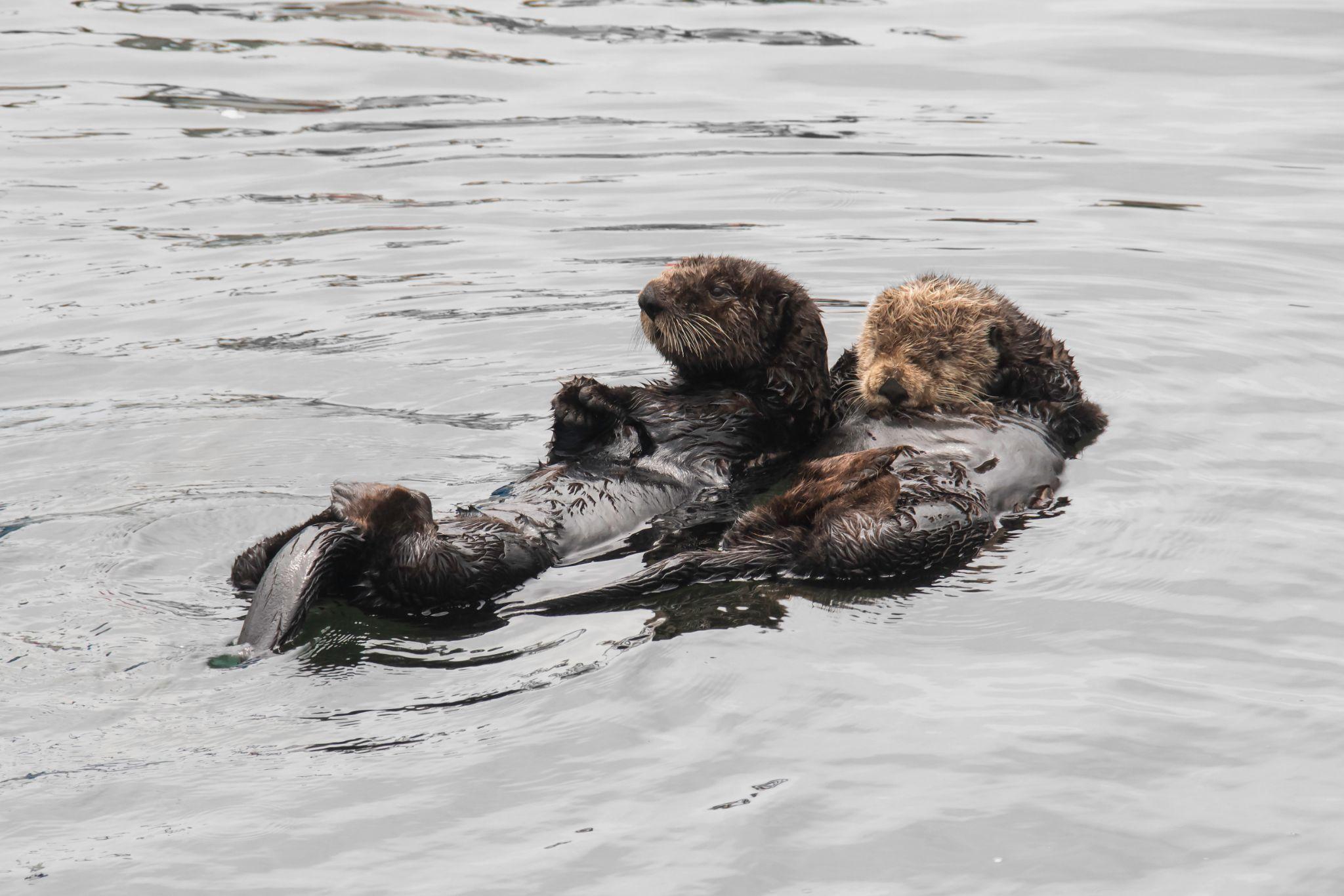
As I am going through the photos and papers, I learn so much about the man he once was. This incredibly handsome Air Force veteran led an impressive military and business career. He deeply adored his wife, whom he lost a few years ago, as was evident through all the photos he had of them throughout the years. I don’t know if you have ever seen the image of two otters holding hands while they float on their backs in the water, but it perfectly captures how two people can be connected, always there for one another. That is the image I would imagine he held of his marriage, connected, steady, and inseparable.
He can no longer walk and depends on others for many of the tasks he once did without thinking, like grocery shopping. One day, he asked me to pick up a few items for him and told me, very specifically, to ask for a certain person in the meat department.
When I arrived at the store, something unexpected happened.
Not only did that person know exactly who my client was, but five people in the meat department did. They lit up when I mentioned his name. They asked how he was doing, shared small stories, and made sure everything was just right. It didn’t stop there. At the checkout counter, as I asked about the groceries he had pre-ordered, multiple cashiers came rushing over just to ask how he was and to make sure he was okay. Next, the cashier spoke into the store intercom, saying that I was here to pick up his items.
At that moment, I realized I wasn’t just shopping for groceries. I was witnessing a lifetime of relationship-building in action.
This man, now physically limited and nearing the last chapters of his life, had quietly invested in people over decades – through kindness, consistency, conversation, and presence. He didn’t see grocery clerks as interchangeable faces. He saw them as people. And now, when he needs help the most, those relationships are coming back to him as care, concern, and community.
As a professional organizer, I often talk with clients about preparing for the future: downsizing homes, organizing documents, making thoughtful decisions about what matters most. But aging well isn’t only about organizing possessions and trust documents – it’s about organizing support.
It’s about knowing who knows you, who will notice if you’re missing, and who will advocate for you when your voice grows quieter.
At the end of life, people don’t remember how large your home was or how perfectly everything was labeled. They remember how you made them feel. The barista who knew your order. The neighbor you checked in on. The cashier who chatted with you every Tuesday morning. These seemingly small connections become a safety net later on – especially when family may live far away or physical independence fades.
From an organizing perspective, relationships are a form of long-term planning. They are as important as labeled files and emergency contacts. They are a part of creating a life that continues to function even when circumstances shift.
It’s choosing community over isolation. It’s understanding that one day, you may need help carrying groceries, navigating paperwork, or simply being seen.
Aging doesn’t mean becoming invisible. But visibility requires connection.
So whether you’re in your later years now, or planning ahead for the future, consider this part of the work: nurture relationships while you can. Be kind. Be curious. Be consistent. Say names. Ask questions. Show up. These moments accumulate into something powerful.
Because one day, when you can no longer walk into the store yourself, it may be those very people – standing behind a counter, wearing a name tag – who remind the world that you still matter.
Copyright 2026, Lamorinda Weekly