
June Blooms
“What is a weed? A flower whose virtues have not yet been discovered.” ~ Emerson
Because of the late-season rains, the weeds have been overwhelming. I have been pulling, cutting, smothering, and eliminating “these flowers whose virtues have not yet been discovered” since early March. I’m now on my third round of weeding. Yes, many of the weeds have pretty flowers, including vetch, bindweed, cut leaf geranium, Italian thistle, euphorbia, hemlock, and a plethora of grasses. Dandelions are abundant. I use the leaves for salads, while the flowers are fed to the birds.
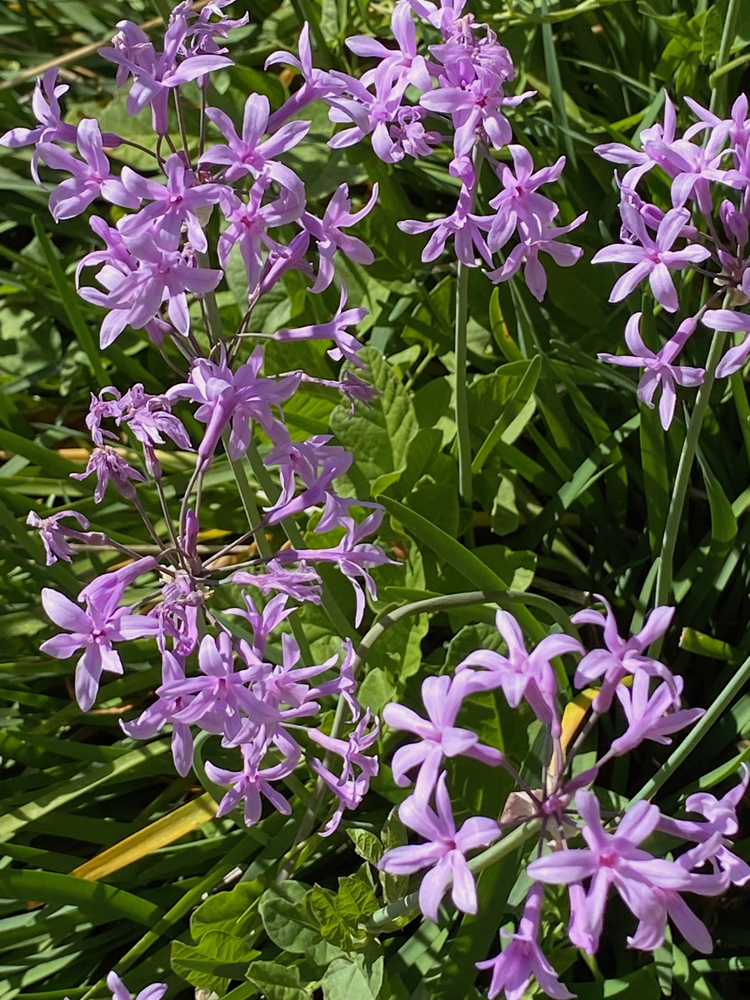
The much-desired “discovered” blooms are also ample. My hill is blanketed in a sea of blue nigella, orange and yellow nasturtiums, and California poppies. Clematis and nigella flank stairways. The roses are spectacular this year in everyone’s landscape. Deep pink Oriental lilies in my garden are being enjoyed as long-life cut flowers indoors. One of the most colorful specimens is the fluorescent yellow and pink lantana, a heat-loving, deer-resistant shrub that thrives in our climate. Society garlic is also deer-resistant and requires very minimal water, boasting pretty purple plumes.
What else is blooming in my garden and local neighborhoods?
- Petunia
- Magnolia
- Ice Plant
- California lilac
- Lavender
- Sunflower
- Zinnia
- Hydrangea
- Marigold
- Peony
- Dahlia
- Echinacea
- Snapdragon
- Allium
- Mexican Sage
- Tithonia
- Cosmos
- Honeysuckle
- Jasmine
- Bird of Paradise
- Morning Glory
- Sword Lily
- Bee Balm
- Penstemon
- Red Hot Poker
- St. John’s Wort
- Canna
- Larkspur
- Calendula
- Chamomile
- Calibrachoa
- Agastache
- Gladiola
- Feverfew
- Bachelor Button
- Queen Anne’s Lace
- Shasta Daisy
- Statice
- Iris
- Pelargonium
- Cape Fuchsia
This is a short list of joyous June blooms, and there are many more, including super succulents. Look for them at your favorite nursery or garden center. Most will prosper throughout the summer and into the fall, offering a flush of blush for months. Plan on sowing seeds in the autumn for many of these.
In my garden, the gloom this June is the loss of fruit on my trees. Again, because of the heavy rains and the strong winds, the blossoms on my fruit trees were destroyed. Pollinators could not do their important work. The sad result is that I have no Meyer lemons, no apricots, no cherries, and no peaches developing. Thankfully, I do have loquats, tangerines, limes, and a semi-crop of plums this year. Tomato vines are tall and filled with yellow blossoms that will soon drop to be replaced by tiny growing green tomatoes. Other planted vegetables and herbs are already providing nourishment, although my eggplants are still puny. My grapevines are looking fantastic and hopefully will provide a bountiful harvest.
ALERT: Speaking of grapevines…did you buy a grapevine from Costco between April 21 and May 19? If so, your vine may have included a very invasive insect called the glassy-winged sharpshooter. These dangerous insects spread a bacterium, causing a fatal grapevine disease called Pierce’s disease. This pest damages not only vineyards but also citrus and many other plants. Costco is issuing refunds; however, you must isolate the plant and contact the County Agricultural Commission, which will remove and dispose of the diseased grapevine. Do NOT plant or toss into your garbage or green bin. Here’s the website for Contra Costa County: https://www.contracosta.ca.gov/7509/Preventing-the-Spread-of-Pests. The phone number to call is 925-608-6600. For more information on this frightening, invasive pest, visit https://www.cdfa.ca.gov/pdcp/gwss-costco-plants.html
Cynthia Brian’s Goddess Garden Guide for May
- PULL weeds while the soil is moist for easier weeding. Continue to monitor your garden for new weeds sprouting.
- SOW seeds of beans, zucchini, cilantro, carrots, beets, or other vegetables you enjoy for a summer crop.
- TRANSPLANT seedlings of tomatoes, peppers, and eggplants to the garden or containers.
- SCATTER flower seeds of sunflowers, zinnias, cosmos, and marigolds.
- CLEAR debris, including dried limbs and flammable materials, from the perimeter of your home and garden.
- CUT annual grasses and tall weeds to three inches or less before June 1 as part of the wildfire hazard abatement requirements.
- FEED backyard birds with a variety of high-quality seeds. You’ll enjoy flighty performances from finches, jays, sparrows, and more.
- WATCH for aphids, whiteflies, and caterpillars. Use neem oil or insecticidal soap before infestations spread.
- UPGRADE your soil with organic matter and mulch.
- INTRODUCE your children and grandchildren to the joys of gardening by letting them pick flowers and food they love to plant.
- HANG baskets of petunias, calibrachoa, or begonias to brighten your patio or porch.
- DEADHEAD roses and any perennials to encourage additional blooming.
- PRUNE boxwoods. Cut back any winter burn or dead branches.
- ADD flowers of nasturtium, roses, and violets to your dinner plate. They are edible and nutritious if they have not been sprayed with pesticides.
- REGROW scallions by sticking the root ends in water after snipping. You’ll get a fresh crop very quickly.
- RELEASE ladybugs into your garden if you spot aphids. Ladybugs (also called lady beetles) only stay in a garden when there is sufficient food. If yours fly away, don’t be dismayed. Pat yourself on the back as your garden is healthier than a neighboring landscape.
- PROTECT yourself from ticks by applying DEET when you are gardening or outdoors. Research indicates that the majority of tick exposure occurs during everyday activities, including working in our gardens and enjoying our barbecues.
- TUCK edibles into your flowerbeds. Parsley and garlic chives look especially handsome as a border. Vita Sackville-West would approve.
- SPOIL Mom on Mother’s Day with her favorite plant (perhaps a rosebush) and a book about gardening.
Happy Gardening! Happy Growing!
Copyright 2026, Lamorinda Weekly