
Lafayette's Capital Improvement Program presented to City Council
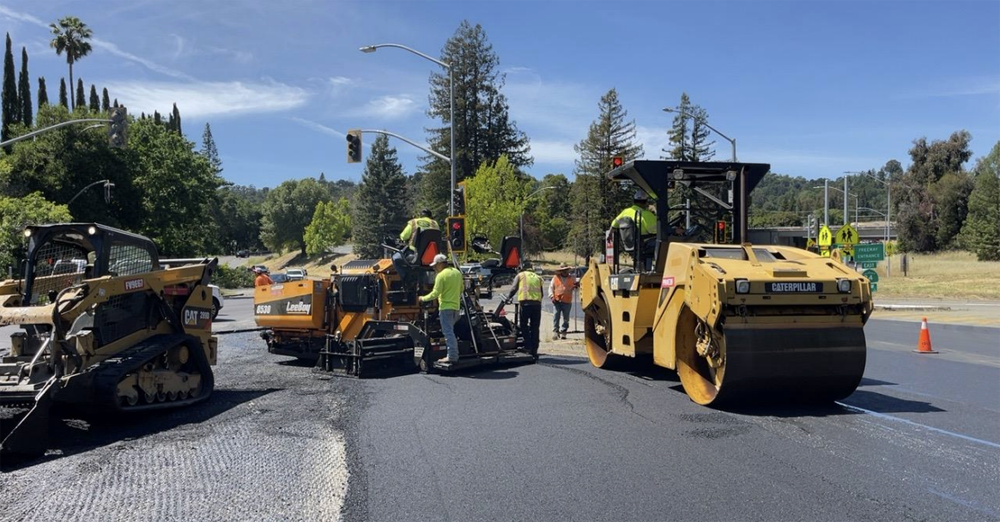
Director of Engineering and Public Works Mike Moran presented the Capital Projects Assessment Committee (CPAC) Annual Update and the proposed Capital Improvement Program (CIP) for Fiscal Year 2026/2027 to the Lafayette City Council during its May 11 meeting. The presentation reviewed recently completed projects, ongoing infrastructure improvements, and budget priorities for the city’s five-year capital plan through 2031, which guides major investments in roads, pathways, public facilities, traffic systems, and stormwater infrastructure.
Moran began by highlighting several projects completed during the past year. The 2025 Road Paving Project resurfaced sections of St. Mary’s Road between Glenside Drive and Rohrer Drive and Mt. Diablo Boulevard between Acalanes Road and El Nido Ranch Road. In addition to roadway improvements, the project included Americans with Disabilities Act (ADA) accessibility upgrades and new bus drop-off areas. The city also completed a 450-foot ADA-compliant pathway along Pleasant Hill Road near Springhill Elementary School, addressing long-standing pedestrian accessibility concerns and unsafe parking conditions in the area.
Additional facility improvements included replacing the Police Station’s aging roof and a significant portion of its HVAC ducting system before the onset of the rainy season. Moran noted that the work was necessary to maintain the building’s functionality and prevent future maintenance issues.
Moran also discussed several projects currently underway throughout the city. One of the most significant is the 2026 Road Paving Project, which Moran described as Lafayette’s largest residential paving effort in more than a decade. The project will involve repaving more than 20 residential streets, a strategy that restores roads to a Pavement Condition Index (PCI) of 100 and extends their lifespan, versus surface sealing which has been used in the past but only raises the PCI about 10 points and usually only lasts five to seven years.
Other ongoing projects include the Smart Signals Project, which is expected to go out to bid in summer 2026. The project will modernize traffic signal controllers and vehicle detection systems throughout Lafayette while adding battery backup systems to key intersections downtown and along Pleasant Hill Road. Construction has also begun on the long-awaited BART Pedestrian Pathway and Bike Station project. While progress has been slower than anticipated, Moran said work is finally underway and could continue for another year.
Several projects, however, have encountered unexpected delays. The School Street, Topper Lane, and St. Mary’s Road Pathways Project, originally scheduled for construction in spring 2026, has been postponed until 2027 due to environmental review requirements involving Caltrans and concerns raised by Native American tribes regarding the project area. The Aqueduct Pathway Project has also stalled despite available funding for design work. Moran explained that East Bay Municipal Utility District has objected to proposed grading, retaining walls, and bridge abutments within its right-of-way, creating significant challenges for moving the project forward.
A major portion of the presentation focused on the proposed Fiscal Year 2026/2027 CIP budget and the city’s five-year infrastructure outlook. The proposed budget totals approximately $6.99 million and includes several major investments. Roughly $4 million is allocated toward the 2027 Pavement Maintenance Project, which will repave 11 streets throughout Lafayette. Another $1.25 million is proposed for Stanley Boulevard and Quandt Road traffic-calming improvements and sidewalk construction. The city also plans to spend $500,000 on hillside stabilization work at Hastings Court before roadway improvements can occur.
Additional funding includes $150,000 to replace a failed corrugated metal storm drain located within a city easement near the Lafayette Cemetery. Moran explained that the deteriorating drain poses flooding risks to a nearby apartment building and requires immediate replacement.
Throughout the discussion, Moran emphasized the importance of maintaining Lafayette’s roadway network. The city’s five-year pavement management strategy is designed to maintain a PCI score of approximately 75, which is classified as “Good” and remains among the highest roadway condition ratings in Contra Costa County. To achieve that goal, Lafayette plans to invest between $3.5 million and $4 million annually in pavement maintenance through 2031, keeping the city’s overall PCI score between 74 and 79.
Council members expressed support for the proposed CIP and the city’s continued focus on infrastructure maintenance and long-term planning. Following the presentation and discussion, the City Council voted unanimously to approve the Fiscal Year 2026/2027 Capital Improvement Program and authorize its proposed funding sources.
Copyright 2026, Lamorinda Weekly