
Summer Seasonings
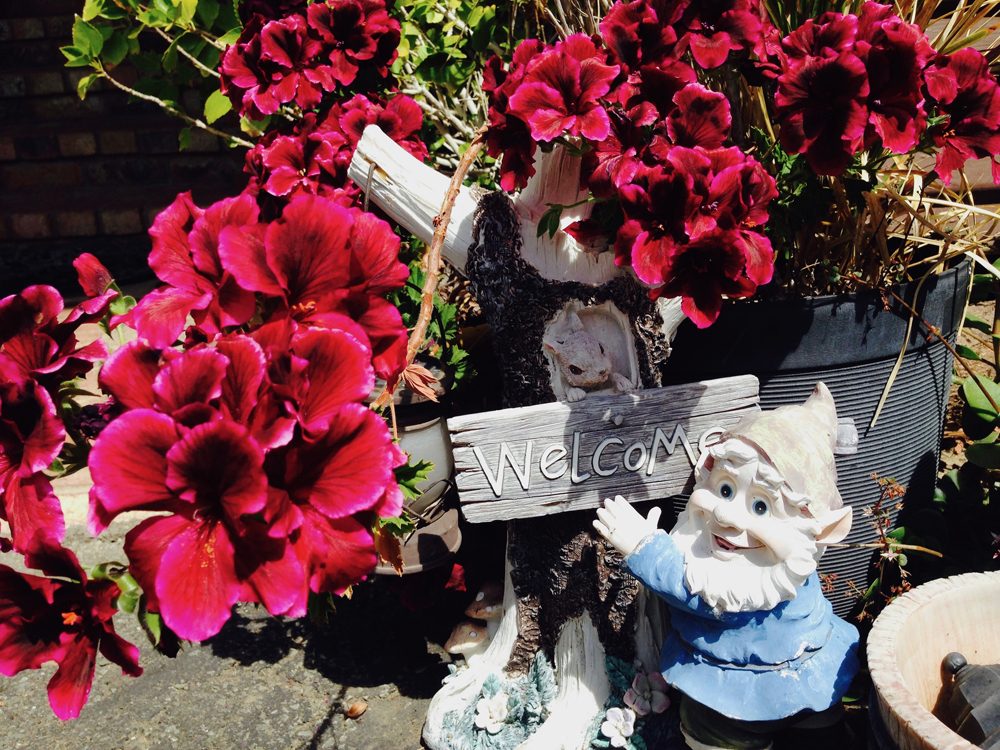
“Summer afternoon – summer afternoon; to me those have always been the two most beautiful words in the English language.” ~ Henry James
With the 250th birthday of our nation in 2026, many gardens are cloaked in red, white, and blue. A top garden design trend this year is patio culture, and with the semi-quincentennial front of mind, I call it star-spangled living.
Most Americans love being outdoors, and summertime is our sandbox. Whether our patio is in the front, back, or side yard, it is an extension of our living spaces, a place where we relax, entertain, and play. Gardens are a sanctuary where we connect with family, friends, neighbors, and ourselves. Water features, fragrance, and pots filled with pops of color add interest and intrigue, inviting pollinators and feathered friends to celebrate summer with us. While many people plant vegetables in raised beds, containers of thyme, basil, and chives, and even tomatoes or squash on the patio make it easy to snip culinary explorations right from the kitchen. This summer season sensually speaks to us of flags, flowers, fireworks, parades, deck lounging, hammock swinging, sleepovers, swim meets, barbecues, beaches, celebrations, camping, concerts, traveling, and eating fresh, fresh, fresh direct from our gardens.
Gardeners put in the time to grow tomatoes, zucchini, greens, cucumbers, beans, and other vegetables. Knowing when to pick at the peak of flavor is essential. Here are harvesting tips for delicious, nutritious home-grown food.
Tomatoes: Most tomatoes should be slightly soft and fully colored, although there are exceptions. Since large heirlooms tend to crack, harvest them early, and they will continue to ripen.
Don’t leave cherry tomatoes on the vine too long, either. I grow tomatoes in mixed flower beds as well as containers to great success. Once picked, tomatoes are best placed on a plate on the countertop. Refrigerating will reduce their flavor. My favorite snack is to pick a few cherry tomatoes, grab a handful of chives, and snip several basil leaves to munch while I’m gardening.
Kale and Chard: These flavorful greens are best harvested as young leaves. I grow Swiss chard and kale in every season to add to salads, omelets, and soups. Seeds are produced after two years, allowing for more plants.
Summer Squash: This year, I’m growing crooked-neck yellow squash in a container on my patio so that I can harvest at the baby stage with the flower still attached. The smaller the squash or zucchini, the more tender they will be.
Eggplant: Size and color are not necessarily an indication of maturity. When the skin looks glossy and smooth, this is the best time to harvest. Don’t pull the fruit from the plant. Cut it with a sharp knife. When the skin is dull and tough, the flesh will be bitter.
Beans: Harvest beans every few days to keep the plants producing. Picking when the beans are long, crisp, and slender are the tastiest. Once clumps are evident in the pods, the beans will be tough or stringy.
Beets: When beets are ready to be pulled, the tops will protrude from the ground. If left in the ground too long, the texture will suffer. The leaves are edible and can be harvested sparingly while the beets are still growing.
Peppers: When picked green, the plant will continue to set fruit. Yet, the most flavor will be enjoyed when peppers are clipped from the plant (not pulled) when the color is red, yellow, purple, or orange. Watch them daily, as once mature, rapid deterioration on the plant occurs with peppers.
The two most beautiful words in the English language are a summer afternoon with vegetables, flowers, and fruits in your garden and on your patio. Savor summer seasonings!
Cynthia Brian’s Goddess Gardener Guide for July
- WATER lawns and flowerbeds deeply to encourage strong root growth.
- SUCCESSION planting is the key to a plentiful supply of summer greens, including lettuces, arugula, beets, carrots, and radishes. Sow your favorite seeds every three weeks as you consume.
- CELEBRATE the semi-quincentennial by planting a patriotic plot of red, white, and blue.
- MAKE your own potting mix by combining equal parts of compost, good soil, and sand. Add leaf mold plus a small amount of liquid fertilizer.
- BRING butterflies to your landscape with lantana, butterfly bush, and sunflowers. Butterflies have sensory receptors on their feet to help them land on their tasty treats rapidly.
- ADD warmth to your borders with brightly colored petunias and pelargoniums.
- PREVENT fires by removing debris, dead branches, and refuse from around your home and yard.
- CUT back leggy perennials and deadhead roses as blooms wither. Save the rose petals to make rose water.
- SAVE the monarchs. Plant milkweed, the butterfly’s favorite nectar. Visit the Monarch Habitat and Demonstration Garden at Rancho Laguna Park, created by the Moraga Garden Club for inspiration.
- SEASON your summer with organic fruits, herbs, and vegetables from your garden or farmer’s market for a variety of reasons – your own health, the health of the planet, and generally heightened environmental awareness.
- PLANT a container garden of fruits and vegetables. Seed companies have developed plants that are compact in size, yield more, taste great, and feature unique colors and shapes.
- CHECK containers daily as pots dry out quickly in summer.
- WATCH for yellowing leaves, spots, wilting, and mildew which are all signs of disease. You may need to spray with a fungicide.
- HARVEST vegetables as they ripen to encourage continued production.
Happy Gardening! Happy Growing! Happy Summer!
Copyright 2026, Lamorinda Weekly